

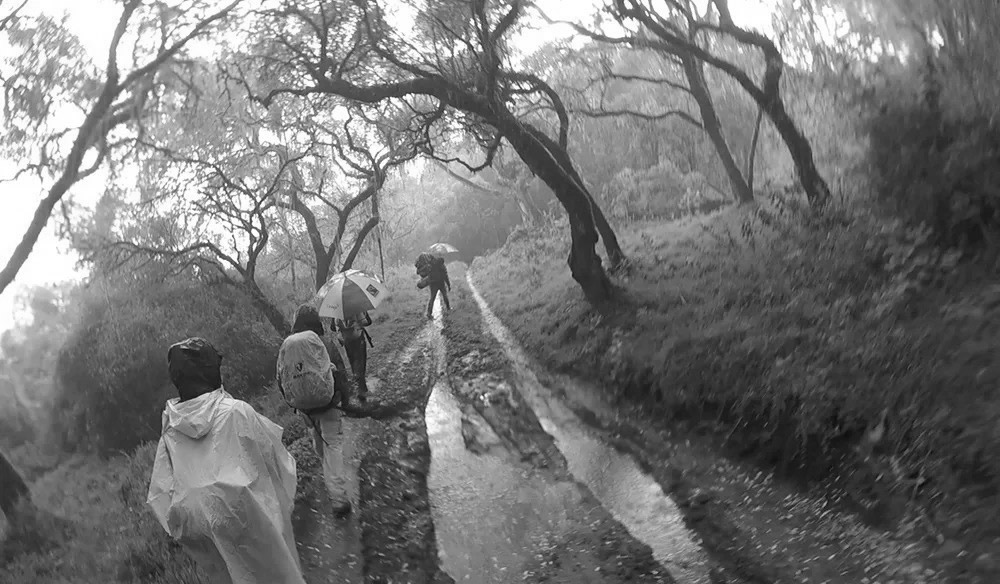
Many climbers ask, can you climb Mount Kenya during the rainy season? The answer is yes. Mount Kenya remains a top destination for adventurers, known for its challenging routes and breathtaking scenery. Even in the rainy season, its allure doesn’t diminish, offering a different but equally rewarding experience.
Months Associated with the Rainy Season
Kenya experiences two main rainy seasons: the long rains from March to May and the short rains from October to December. These months are characterized by frequent showers and cooler temperatures, which can make climbing more challenging but also offer unique opportunities for a less crowded and more serene ascent.
A. Weather Challenges
- Increased Rainfall
During the rainy season, Mount Kenya experiences heightened levels of rainfall. This increase in precipitation leads to wet and slippery trails, making the ascent more challenging. The rainstorms can be frequent and intense, often turning trails into muddy, difficult-to-navigate paths, requiring climbers to be well-prepared for wet conditions. - Impact on Visibility
Visibility on Mount Kenya is significantly reduced during the rainy season due to fog, mist, and heavy cloud cover. These conditions can obscure the trail, making navigation more difficult and increasing the risk of getting lost. The reduced visibility also limits the panoramic views that the mountain is known for, requiring climbers to rely more on their navigational skills and less on visual cues. - Temperature Variations
The rainy season on Mount Kenya brings with it notable fluctuations in temperature, particularly at higher altitudes. Climbers may experience colder temperatures, especially at night or during sudden storms. These variations demand that climbers be equipped with proper clothing to stay warm and dry, as the combination of cold and wet conditions can lead to hypothermia if not adequately managed. - Fog, Mist, and Cloud Cover
Fog and mist can envelop the mountain at almost any time, but they are particularly dense during the rainy season. This not only hampers visibility but also contributes to a damp and cold environment that can affect morale and physical comfort. The cloud cover often lingers, reducing the opportunity for clear, panoramic views of the mountain and the valleys below. Climbers need to be mentally prepared for these conditions and should consider bringing equipment like headlamps and high-visibility clothing to help navigate in low-light situations.
B. Trail Conditions
- Muddy and Slippery Paths
During the rainy season, the trails on Mount Kenya become extremely muddy and slippery, making footing treacherous. The wet ground reduces traction, increasing the likelihood of slips and falls. Climbers need to be extra cautious, taking slow and deliberate steps to maintain balance and avoid injuries. Using trekking poles can provide added stability on these challenging paths. - Risk of Falls and Injuries
The combination of mud and wet rocks significantly raises the risk of falls, which can lead to serious injuries. This risk is particularly high on steep sections of the trail where a slip could result in a dangerous descent. Climbers must be aware of their surroundings and move with heightened awareness, especially in areas where the path is narrow or where there are steep drop-offs.
- Erosion and Landslides
The heavy rainfall during the rainy season accelerates erosion along the trails, which can alter the landscape and create new hazards. Erosion can cause trails to become narrower or more uneven, making them harder to navigate. In some cases, landslides may occur, blocking paths or making certain routes impassable. Climbers need to stay informed about current trail conditions and may need to change their route to avoid unsafe areas.
- Potential Hazards and How They Affect Route Choice
Erosion and landslides pose significant hazards that can influence a climber’s choice of route. Some trails may become too dangerous to use, requiring climbers to select alternative routes that are less affected by these conditions. Guides play a crucial role in helping climbers choose the safest path, taking into account recent weather patterns and the stability of the terrain. - Waterlogged and Flooded Sections
Parts of the trail may become waterlogged or even completely flooded due to the persistent rain. These sections can be difficult to traverse, with water pooling in low areas and making the ground unstable. In some cases, climbers may need to wade through shallow streams or navigate around flooded sections by taking detours, which can add time and difficulty to the climb.
C. Gear and Equipment for the Rainy Season
Investing in waterproof clothing is essential for climbing Mount Kenya during the rainy season. Waterproof jackets, pants, and gloves help to keep climbers dry and comfortable, preventing moisture from seeping in. This is crucial, as staying dry can significantly reduce the risk of hypothermia and maintain overall well-being during the climb.
- Footwear
Choosing the right footwear is crucial when climbing in wet conditions. Boots with good traction and water resistance are necessary to provide stability and prevent slipping on muddy or wet surfaces. Proper ankle support is also important to protect against injuries while navigating challenging terrain. Waterproof boots help keep feet dry, ensuring climbers remain comfortable and focused on their journey. - Protection for Gear
To safeguard personal belongings from the elements, waterproof bags and covers are essential. Dry bags can keep clothing, electronics, and other essentials dry, while rain covers for backpacks offer an extra layer of protection against downpours. Proper packing strategies, such as using zip-lock bags for smaller items, can further ensure that everything stays dry throughout the climb.
Advantages of Climbing During the Rainy Season
- Fewer Climbers
Climbing Mount Kenya during the rainy season means encountering fewer climbers on the trails. Many avoid this time due to the challenging weather, resulting in a more peaceful experience. This tranquility allows for a deeper connection with nature without the distractions of larger groups. - Unique Flora and Fauna
The rainy season brings vibrant plant life and increased wildlife activity. Flowers bloom abundantly, adding vivid colors to the landscape, while wildlife becomes more active, offering climbers unique encounters with nature. - Spectacular Scenery
Climbers are rewarded with breathtaking views of lush landscapes shaped by the weather. The interplay of rain and sunlight creates dramatic vistas, showcasing the mountain’s beauty in a unique way. - Lush Landscapes and Dramatic Weather-Driven Vistas
The changing weather results in striking visual effects, such as vibrant rainbows and dramatic lighting on peaks. This dynamic environment offers photographers and nature lovers incredible opportunities to capture stunning images, making the climb memorable.
D. Safety and Risk Management
- Hiring an Experienced Guide
Hiring an experienced guide is crucial for safety during the rainy season. They provide local knowledge about terrain and weather, helping climbers navigate challenging conditions. - Importance of Local Knowledge During the Rainy Season
Guides understand specific risks associated with rainy weather, such as slippery trails and landslides. Their expertise enables climbers to make informed decisions on the safest routes. - First Aid, Emergency Shelter, and Communication Tools
A well-equipped first aid kit should include bandages and pain relief. Emergency shelters protect against severe weather, while reliable communication tools keep climbers connected. - Navigation and Route Planning
Proper navigation is vital in low visibility. Using GPS devices and maps helps climbers stay on track and identify potential hazards.
Use of GPS and Maps in Low-Visibility Conditions
GPS provides real-time location tracking, while detailed maps help climbers understand their surroundings. Combining both enhances safety during challenging climbs.
