

Mount Kenya, located in central Kenya, is the second-highest mountain in Africa and a UNESCO World Heritage Site. Rising to an elevation of 5,199 meters, it holds significant cultural and ecological value, revered by local communities as a sacred site and recognized globally for its unique biodiversity. Here is a comprehensive guide to Mount Kenya Routes. The most popular routes to the summit include Sirimon, Naro Moru, Chogoria, and Burguret.
Each route offers a distinct experience, ranging from the more accessible and scenic to the remote and demanding, allowing climbers to choose a path that best suits their skills and preferences.
This ancient extinct volcano is not only a geological wonder but also a prime destination for mountaineers, offering a variety of climbing routes that cater to different levels of experience.
Main Routes to the Summit
- Sirimon Route
On the Sirimon Route, the journey begins at the Sirimon Gate, where the trail starts at an altitude of about 2,650 meters. As you walk, the path initially winds through a dense montane forest, where the air is cool, and the trees tower overhead, creating a canopy that filters the sunlight. This section is often quiet, with only the sounds of nature surrounding you, allowing for a deep connection with the environment.
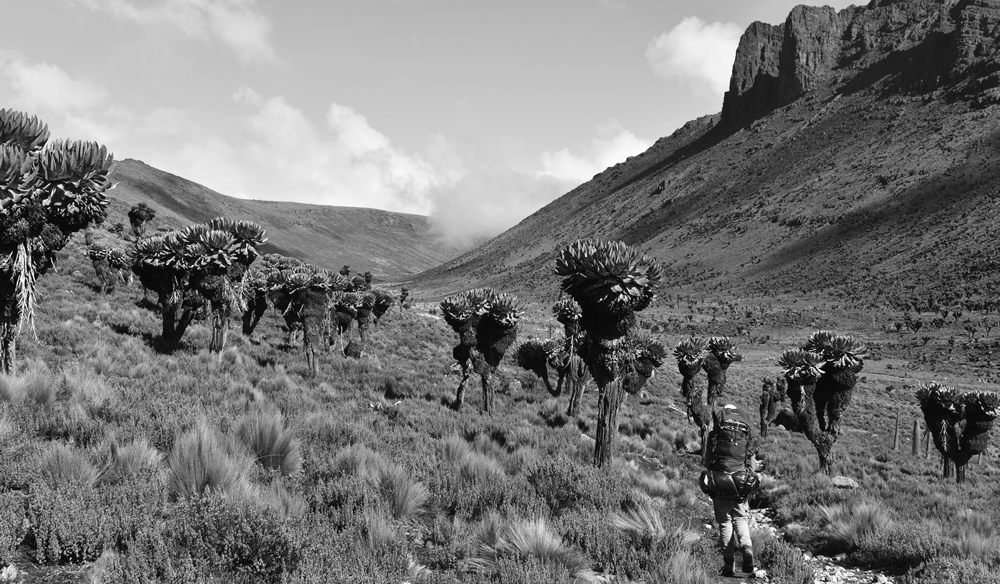
As you progress along the route, the forest gradually gives way to heathland, where the terrain opens up, and the vegetation becomes more sparse. This change in landscape is marked by the appearance of giant lobelias and the soft, rolling hills of tussock grass. The Sirimon Route is known for its steady, manageable ascent, which allows climbers to acclimatize more easily.
One of the most remarkable aspects of the Sirimon Route is the opportunity to experience the Mackinder Valley. As the trail ascends, the valley comes into view, offering expansive vistas that stretch out beneath the towering peaks. The scenery is often breathtaking, particularly at sunrise or sunset, when the light casts a warm glow over the landscape, highlighting the natural beauty of the area.
However, the Sirimon Route is not without its challenges. As you climb higher, the weather can become unpredictable. There may be sudden changes in temperature, and you might encounter mist, rain, or even snow, especially near the summit. These conditions require a level of preparedness and adaptability, as they can add complexity to the climb.
It’s a route that offers both tranquility and excitement, making it a memorable journey for those who undertake it.
- Chogoria Route
The Chogoria Route offers a breathtaking journey to the summit of Mount Kenya, starting at the Chogoria Gate, which sits at an altitude of about 2,950 meters. Right from the beginning, climbers are enveloped in a vibrant environment filled with lush vegetation and towering trees.
As you ascend, the landscape transitions beautifully, revealing open grasslands and stunning alpine moorlands. Unique flora, such as giant heathers and striking lobelias, adds to the scenic charm, making every step an opportunity for awe. The trail winds through diverse ecosystems, creating a dynamic experience that engages the senses.
Along the way, climbers encounter picturesque spots like Lake Ellis and Hall Tarns, where the serene waters reflect the towering peaks above. These moments offer a perfect chance to pause, catch your breath, and soak in the extraordinary beauty of the surroundings.
While the Chogoria Route is known for its scenic allure, it does present challenges. The ascent is longer and can be physically demanding, with some steep sections requiring determination and focus. The remoteness of the area also means that climbers should be well-prepared, as amenities are limited.
- The Burguret Route
The Burguret Route offers a less-traveled path to the summit of Mount Kenya, starting from the Burguret Gate at an altitude of around 2,700 meters. This route is often chosen by those seeking solitude and a more intimate connection with nature, as it sees fewer climbers compared to the more popular trails.
As climbers make their way along the Burguret Route, they are immersed in dense forests filled with diverse wildlife and vibrant flora. The rich biodiversity creates a lush atmosphere, with the sounds of birds and the rustle of leaves providing a calming backdrop to the ascent. The path meanders through thick vegetation, allowing climbers to experience the mountain’s natural beauty up close.
The route is characterized by its rugged terrain, with various ups and downs that challenge climbers’ stamina. Navigating the poorly marked trails can add to the adventure, requiring careful attention and a sense of direction. This aspect makes the Burguret Route particularly appealing for seasoned climbers looking for a more adventurous experience.
As you ascend higher, the forest gradually gives way to open moorlands, offering stunning views of the surrounding landscape. The transition from lush greenery to rocky outcrops provides a rewarding perspective of the mountain’s diverse ecosystems. Along the way, climbers can pause to appreciate the panoramic vistas that unfold as they gain altitude.
While the Burguret Route may be less frequented, it still poses its own challenges. The remoteness of the area means that amenities are limited, so climbers must be well-prepared with adequate supplies and equipment. The variable weather conditions at higher altitudes can also affect the climb, requiring adaptability and awareness.
- The Naro Moru Route
The Naro Moru Route is one of the most direct paths to the summit of Mount Kenya, beginning at the Naro Moru Gate, which sits at an altitude of approximately 2,400 meters. This route is favored by many climbers for its accessibility and relatively quick ascent, making it popular among those looking to reach the peak efficiently.
As climbers embark on this route, they are greeted by a mix of forest and open terrain. The initial stages wind through lush montane forest, where the air is cool, and the rich biodiversity creates an enchanting atmosphere. This section often features the sounds of various bird species, enhancing the immersive experience of the climb.
The trail soon becomes steeper, leading climbers into more challenging terrain. The famous “Vertical Bog” presents a notable challenge, requiring careful navigation through muddy sections that can be slippery. This part of the route tests climbers’ balance and stamina, but it also adds an element of adventure to the journey.
As you ascend higher, the landscape begins to change dramatically. The forest gives way to alpine moorland, offering stunning views of the surrounding peaks and valleys. The panoramic vistas become increasingly breathtaking, rewarding climbers with impressive sights that make the effort worthwhile.
While the Naro Moru Route is popular, it presents its own difficulties. The quick elevation gain can make acclimatization vital, as climbers risk altitude sickness if they advance too rapidly. Additionally, the weather can shift unexpectedly, with abrupt changes in conditions frequently occurring at higher altitudes.
Summary
The Sirimon Route is moderately difficult, featuring a gradual ascent and stunning views of valleys and peaks, making it less crowded than the popular Naro Moru Route, which is more challenging due to steep sections like the “Vertical Bog” and best suited for intermediate to advanced climbers. The Chogoria Route offers a moderate to challenging experience with breathtaking landscapes, providing a quieter atmosphere ideal for intermediate climbers. In contrast, the Burguret Route is best for advanced climbers due to its rugged terrain and poor markings, showcasing high scenic value but with limited accessibility and amenities.
1 Comment