

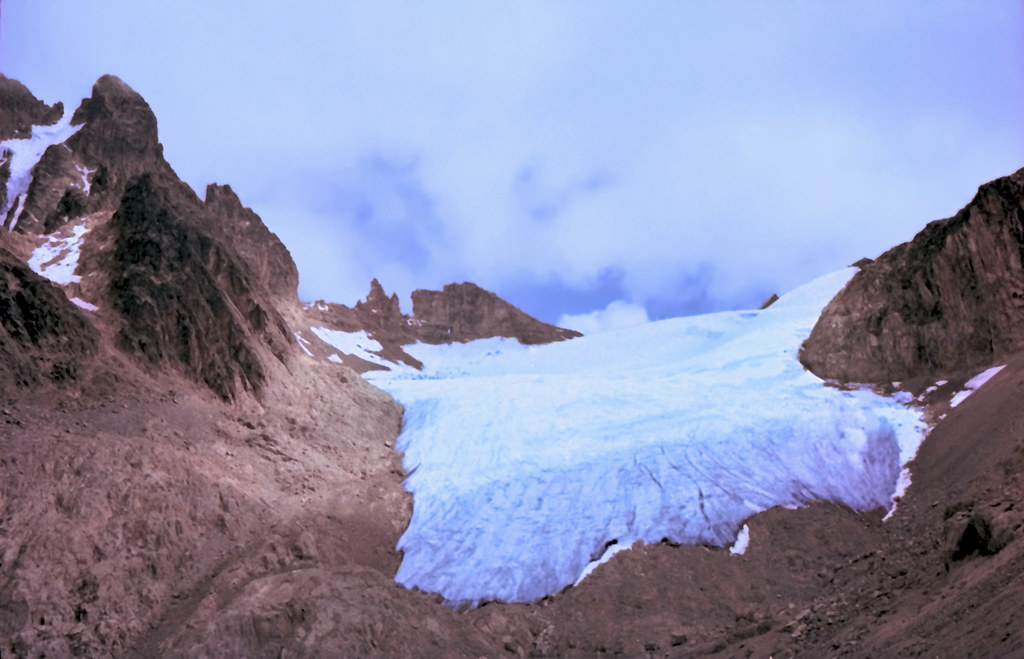
Mount Kenya, Africa’s second-highest mountain, stands as a crucial ecological and economic resource for Kenya. Its glaciers, forests, and rivers support biodiversity, agriculture, and hydroelectric power. However, the effects of climate change on Mount Kenya have significantly altered its landscape, leading to severe environmental and socioeconomic consequences.
Climate Change Indicators on Mount Kenya
Mount Kenya has witnessed noticeable climate shifts in recent decades. Rising temperatures, changes in precipitation patterns, and extreme weather events have accelerated environmental degradation. Studies indicate that average temperatures in the region have increased by approximately 0.5°C per decade since the 1960s. Rainfall patterns have also become increasingly unpredictable, with prolonged dry seasons and intense, short-lived rains causing soil erosion and habitat destruction.
1. Effects on Mount Kenya’s Glaciers
One of the most visible signs of climate change on Mount Kenya is the rapid retreat of its glaciers. Historical records show that the glaciers have shrunk significantly since the early 20th century. In 1900, Mount Kenya had 18 glaciers covering approximately 1.6 square kilometers. By the 1980s, only 11 glaciers remained, and today, less than 10% of the original ice mass exists. Scientists predict that if current trends persist, the remaining glaciers may disappear entirely by 2030.
The loss of these glaciers has severe consequences. As glaciers act as natural water reservoirs, their disappearance will lead to water shortages for rivers originating from Mount Kenya, including the Tana and Ewaso Ng’iro. The loss of glacial meltwater disrupts the seasonal flow of these rivers, reducing water availability during dry periods. This affects irrigation, drinking water supplies, and hydroelectric power generation. Additionally, glacial retreat exposes bare rock, increasing soil erosion and landslide risks, which further threaten communities and ecosystems in the region.
2. Impact on Biodiversity and Ecosystem
Mount Kenya hosts unique flora and fauna, including endemic species such as the Mount Kenya rock hyrax and giant lobelias. Climate change has disrupted these ecosystems in several ways:
- Shifting Vegetation Zones: Rising temperatures force plant species to migrate to higher altitudes, altering the natural balance of the mountain’s ecosystem. Research conducted in the last two decades shows that the upper tree line has shifted upward by 100-200 meters. Some plant species that depend on cooler temperatures are now struggling to survive, leading to a loss of biodiversity in the lower regions.
- Threats to Wildlife: Species that depend on specific climatic conditions may struggle to survive as habitats shrink or become inhospitable. Reports from the Kenya Wildlife Service (KWS) indicate a decline in populations of cold-adapted species such as the Mount Kenya mole shrew and the African clawless otter. High-altitude birds like the scarlet-tufted sunbird are also at risk due to the changing climate and loss of preferred nesting areas.
- Disruptions in Food Chains: Changes in vegetation and wildlife distribution affect predator-prey relationships, leading to ecosystem imbalances. Studies published by the International Union for Conservation of Nature (IUCN) suggest that some bird and insect species are disappearing due to temperature and humidity fluctuations. This, in turn, affects pollination and seed dispersal, impacting plant reproduction and the overall ecosystem health.
- Invasive Species: Warmer temperatures allow invasive species to thrive at higher altitudes, outcompeting native flora and fauna. For example, the spread of invasive plant species like Lantana camara has disrupted local vegetation, making it difficult for native species to regenerate.
3. Consequences for Water Supply and Agriculture
Climate change-induced glacier melt and altered rainfall patterns have led to reduced river flows, affecting:
- Water Availability: Farmers and pastoralists depend on these rivers for irrigation and livestock watering. Studies by the United Nations Environment Programme (UNEP) highlight that river discharge from Mount Kenya has declined by nearly 20% in the past three decades. Water shortages have led to conflicts between farmers and herders, particularly in dry seasons.
- Hydroelectric Power Generation: Kenya relies heavily on hydroelectric power, and reduced river flows compromise energy production, leading to power shortages. The Kenya Electricity Generating Company (KenGen) has reported a 15-20% decrease in hydroelectric output from rivers originating from Mount Kenya in recent years. This has forced the government to rely more on expensive and polluting alternatives like thermal power.
- Drought and Crop Failures: Unpredictable rainfall patterns result in prolonged droughts or excessive rains, harming agricultural yields and livelihoods. Research by the Food and Agriculture Organization (FAO) indicates that maize production in Mount Kenya’s surrounding regions has decreased by 30% since the 1990s due to climate-related factors. Additionally, tea, a major cash crop grown in the region, has experienced lower yields as temperature fluctuations impact optimal growing conditions.
4. Socioeconomic Implications
Climate change on Mount Kenya extends beyond environmental concerns, affecting local communities and national economies:
- Challenges for Local Communities: Farmers and herders face declining productivity, forcing them to seek alternative livelihoods or migrate. Interviews conducted by the World Bank suggest that many pastoralist families in the region have lost over 40% of their livestock in the last two decades due to water scarcity. This has led to an increase in rural-urban migration as people seek alternative means of survival.
- Impact on Tourism: Mount Kenya attracts thousands of climbers and nature enthusiasts. Glacier loss and ecosystem degradation may reduce its appeal, negatively impacting tourism revenue. Reports from the Kenya Tourism Board show a 10-15% decline in mountain-climbing expeditions in the past ten years, largely due to changing environmental conditions. Tourists who once visited to witness the iconic glaciers now find a landscape marked by bare rock and shrinking ice patches.
Possible Mitigation and Adaptation Strategies
- Reforestation and Conservation: Expanding forest cover enhances carbon sequestration and stabilizes local climates. The Kenyan government, through initiatives like the Kenya Forestry Research Institute (KEFRI), has launched tree-planting projects to restore degraded areas.
- Sustainable Water Management: Efficient irrigation techniques, rainwater harvesting, and policies promoting water conservation can help mitigate shortages. A 2021 study by the Water Resources Authority of Kenya suggests that improved water conservation techniques could increase water availability by up to 25%.
- Government and Community Action: Strengthening environmental laws, promoting eco-friendly practices, and involving local communities in conservation efforts can create long-term resilience against climate change. NGOs such as the Green Belt Movement have initiated grassroots efforts to empower communities in climate adaptation.

