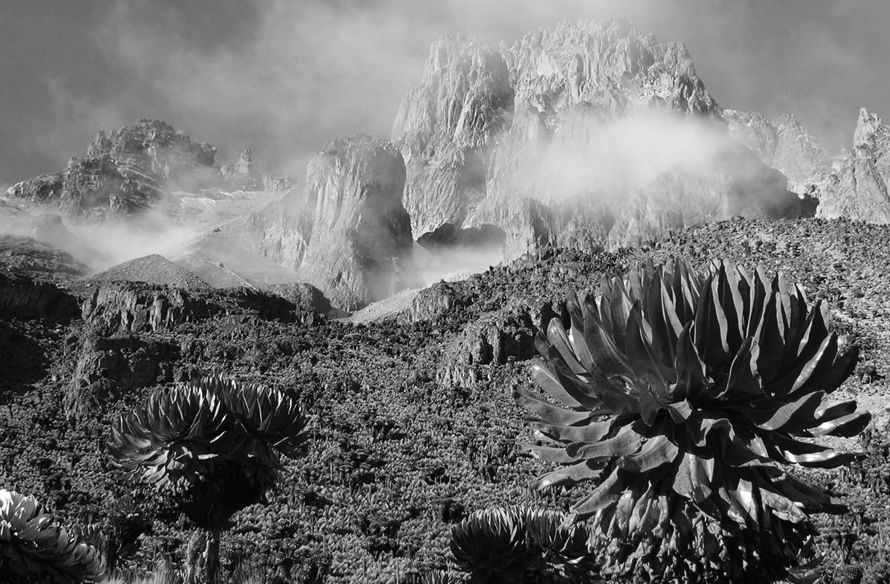
Mount Kenya, the second-highest peak in Africa after Kilimanjaro, rises to an impressive 5,199 meters (17,057 feet). Located in central Kenya, this extinct stratovolcano offers a diverse and rewarding trekking experience. From lush montane forests and bamboo zones to dramatic alpine meadows and snow-capped peaks, Mount Kenya’s terrain is nothing short of breathtaking. However, this beauty comes with a mix of unpredictable weather, high altitude, and strenuous elevation gains that can challenge even the most experienced hikers. For these reasons, carrying the right day pack size is essential.
A properly chosen day pack ensures you have all your vital gear at hand without becoming a burden. It directly affects your comfort, safety, and overall performance on the trail. Trekkers must balance capacity and weight to avoid fatigue while staying fully prepared for any scenario.
Factors Influencing Day Pack Size
Choosing the right day pack size starts with understanding your hike’s unique requirements. Several key factors influence the ideal size for your pack.
1. Duration of the Hike
The length of your hike plays a major role in determining what you’ll need to carry. A short three-hour nature walk doesn’t demand the same equipment as a full-day summit attempt or a multi-day climb with overnight stays. The longer and more intense the trek, the larger your day pack size should be to accommodate food, layers, and emergency items.
2. Weather Conditions
Mount Kenya’s rapidly changing weather means you need to be ready for sun, wind, and rain all within the same trek. Your day pack size must be large enough to hold extra clothing, waterproof gear, and insulated layers—even if the sky looks clear at the trailhead.
3. Personal Gear Requirements
Each trekker has different needs. If you plan to carry a camera, journals, or specialty gear, your day pack size should reflect that. Don’t forget sunscreen, insect repellent, and personal medications—these small essentials can add up.
4. Porter Support vs. Self-Carrying
Many guided treks on Mount Kenya offer porter support. If you’re not carrying your main gear, a smaller day pack size will suffice for daytime essentials. But if you’re self-supported, you’ll need a larger pack to carry meals, clothing, and possibly sleeping gear.
Recommended Day Pack Sizes for Different Treks
To make the decision easier, here are general recommendations based on trek type and intensity, all tailored to help you choose the optimal day pack size.
I. Short Hikes (e.g., Sirimon or Naro Moru Lower Slopes)
A 15–25 liter pack is ideal. This day pack size is perfect for:
-
1 to 2 liters of water
-
Light snacks
-
A light jacket
-
Hat, sunglasses, and sunscreen
-
A compact camera or phone
II. Full-Day Hikes (e.g., Point Lenana Summit Push)
A 25–35 liter pack is the most versatile day pack size for Mount Kenya. It accommodates:
-
2–3 liters of water
-
Packed lunch and extra snacks
-
Multiple clothing layers
-
Headlamp and first aid kit
-
Gloves and light crampons
III. Technical Climbs (e.g., Batian or Nelion Peaks)
Choose a 30–50 liter pack. This day pack size is suitable for:
-
Rope, harness, and helmet
-
Emergency bivy gear
-
Food and warm clothing
-
Navigation tools
Essential Gear to Pack
No matter your day pack size, always carry:
-
Hydration: Water bottles or bladder + purification tablets
-
Clothing: Base layers, mid-layer, rain shell, gloves, beanie
-
Nutrition: High-energy snacks, packed meals, electrolytes
-
Safety: First aid kit, headlamp, map or GPS, whistle
-
Accessories: Sunglasses, sunscreen, trekking poles, camera
Features to Look for in a Day Pack
The right size also depends on design. Prioritize:
-
Comfort: Padded straps, chest/hip support, ventilated back
-
Accessibility: Easy-reach pockets, hydration compatibility
-
Durability: Ripstop materials, reinforced stitching, waterproofing
-
Weight: Lightweight design that avoids overpacking temptation
Personalizing Your Pack
There’s no universal day pack size that fits everyone. Your hiking style, body type, and gear preferences matter. Whether you’re a minimalist or someone who needs room for extra gadgets and clothing, test your fully packed bag on a local hike first to check balance, comfort, and access.