Mount Kenya, the highest peak in Kenya and the second highest in Africa, offers a range of climbing experiences. Regardless of which route you choose, it can cost between 500 and 700 EUR (or 500 and 800 USD) for a standard climb.
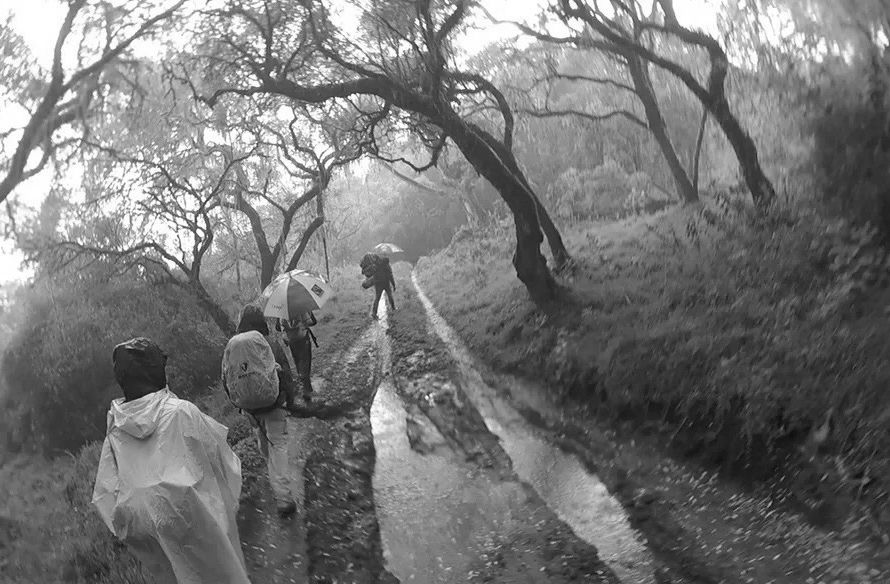
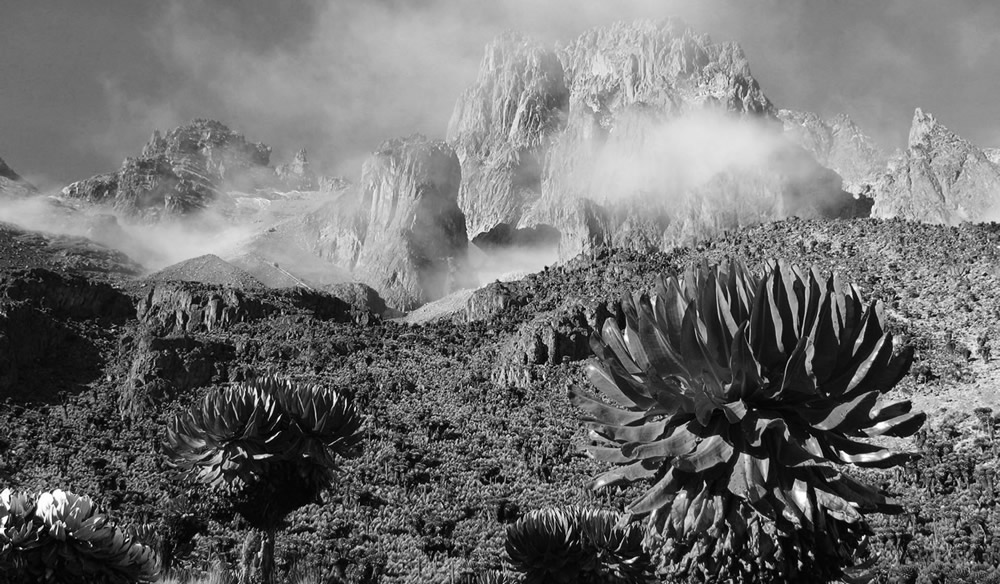
The mountain’s diverse terrain, from lush forests to rocky outcrops and ice fields, provides an exhilarating adventure for climbers. For those seeking a more challenging and scenic trek, the Burguret-Chogoria Traverse stands out, with costs around 975 EUR (or 1080 USD). This traverse combines spectacular views with varied landscapes, making it a popular choice among seasoned climbers.
Importance of Understanding Climbing Costs for Budget Planning
Understanding the costs associated with climbing Mount Kenya is crucial for effective budget planning. It helps climbers avoid unexpected expenses and ensures they can fully enjoy their adventure without financial stress. By knowing the range of costs for different routes and services, climbers can make informed decisions about their trip.
General Climbing Costs
Climbing Mount Kenya is an investment that varies based on several factors, but typically ranges between 500 and 700 EUR (or 500 and 800 USD). This cost generally covers essential elements such as park entry fees, basic accommodation, and some level of guided support.
- Cost Range
Regardless of the route chosen, climbers should expect to pay within this range. This includes standard services like park entry permits and basic logistics. For those opting for the Burguret-Chogoria Traverse, costs are higher due to its complexity and extended duration, reaching approximately 975 EUR (or 1080 USD).
Factors Influencing Cost
- Duration of the Climb: The length of the climb significantly impacts the total cost. Shorter routes tend to be less expensive, while longer and more challenging routes, like the Burguret-Chogoria Traverse, can increase costs due to extended permits and additional logistical support.
- Type of Climbing Experience: Choosing between a guided or independent climb also affects costs. Guided climbs are generally more expensive as they include comprehensive support, including professional guides, porters, and often higher-quality accommodation. Independent climbs may be more cost-effective but require more personal preparation and self-sufficiency.
Specific Route Costs
- Burguret-Chogoria Traverse
The Burguret-Chogoria Traverse is one of Mount Kenya’s most scenic and challenging routes. It offers a rich variety of landscapes, from dense forests to rugged high-altitude terrain. Due to its complexity and length, the estimated cost for this route is about 975 EUR (or 1080 USD). This price typically covers extended permits, professional guides, and additional logistical support required for such a demanding trek.
- Other Routes
For those exploring alternative routes on Mount Kenya, costs generally fall within the range of 500 to 700 EUR (or 500 to 800 USD). These routes vary in difficulty and duration, such as the Sirimon or Naro Moru routes, which are more straightforward and often less expensive. Costs for these routes include essential park permits and basic guiding services, with price variations depending on the route’s length and the level of support needed.
Tour Packages
Tour packages vary in price, reflecting the level of service and the inclusions provided. Basic packages might start around 500 EUR, while more extensive ones can exceed 1000 EUR, depending on the route and services offered.
Typical inclusions in these packages are accommodation, meals, park entry fees, and essential gear. Some packages may also offer additional perks such as extra equipment, higher-quality lodging, or personalized support, catering to different climber needs and preferences.
- Camping vs. Lodge Accommodation
On Mount Kenya, climbers have the option to choose between camping or staying in mountain lodges. Camping is generally more cost-effective and involves setting up tents at designated campsites.
Costs for camping include tent rentals, which can range from 20 to 50 EUR per night, and additional fees for campsite use. This option allows for a more immersive experience in nature but requires climbers to be prepared for varying weather conditions and basic facilities.
- Prices for Mountain Lodges or Huts
Mountain lodges or huts offer a higher level of comfort compared to camping. These accommodations typically include beds, meals, and sometimes even hot showers. Prices for staying in a lodge or hut range from 50 to 150 EUR per night, depending on the level of amenities and location. While more expensive, lodges provide a more comfortable and sheltered experience, which can be particularly valuable during extended climbs or harsh weather conditions.
Travel Expenses
Travel expenses to Mount Kenya include flights to Kenya and local transportation within the country. Flights from major international hubs to Nairobi can vary widely based on the season, with costs typically ranging from 500 to 1000 EUR (or 500 to 1100 USD).
Once in Kenya, you’ll need to arrange transportation from Nairobi to the mountain, which can be done by private transfer or public transport. Costs for this leg of the journey usually fall between 50 and 150 EUR (or 50 to 200 USD), depending on your choice of travel and convenience.
- Visas and Permits
Visa requirements for Kenya depend on your nationality, with most visitors needing to secure a visa prior to arrival. Visa costs generally range from 50 to 100 EUR (or 60 to 120 USD) for a single-entry visa. Additionally, climbers must pay for park entry fees, which are around 30 to 50 EUR (or 35 to 60 USD) per day.
Climbing permits, specific to Mount Kenya, add to the overall expense, often costing between 50 and 150 EUR (or 60 to 180 USD) depending on the route and duration of the climb. These fees support park conservation and infrastructure, ensuring a well-maintained environment for climbers.
Additional Costs
- Tips and Gratuities
When climbing Mount Kenya, it’s customary to provide tips to guides, porters, and other support staff. Recommended tips typically range from 10 to 20 EUR (or 12 to 25 USD) per day for each guide or porter.
These gratuities are appreciated for the hard work and service provided, ensuring a smooth and enjoyable climbing experience. It’s best to budget around 100 to 200 EUR (or 120 to 220 USD) for tips, depending on the size of your support team and the length of your climb.
- Souvenirs and Extras
Souvenirs and other personal expenses can add to your overall budget. Local crafts, mementos, and photographs are popular among climbers and can cost anywhere from 10 to 50 EUR (or 12 to 60 USD) depending on what you choose. Additionally, you might incur extra costs for items like extra food, personal gear, or unexpected needs that arise during the climb. Setting aside around 50 to 100 EUR (or 60 to 120 USD) for these extras is a prudent approach.