

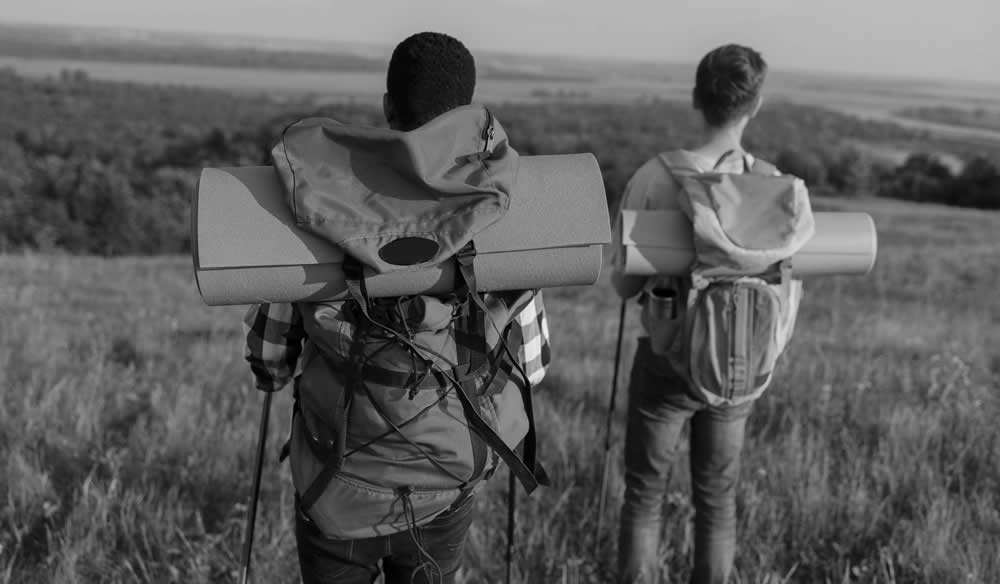
I can’t stress enough the importance of packing the right gear for your Mount Kenya climb. Everything you need to know on what to pack for Mount Kenya climb revolves around being fully prepared for the mountain’s diverse and challenging environment.
The mountain’s unique landscapes range from lush forests at its base to rugged, snow-capped peaks. Climbing Mount Kenya is an adventure that combines physical endurance with the sheer beauty of nature.
This majestic mountain is not just about the climb; it’s a journey through different climate zones, each with its distinct flora and fauna. The mountain’s slopes are home to various species of plants and animals, including the rare Mount Kenya rock hyrax and the vibrant sunbird. Each step on this mountain reveals a new layer of natural beauty, making the ascent a memorable experience for any climber.
Importance of Proper Packing for a Successful Climb
Packing properly is crucial for a successful Mount Kenya climb. The mountain’s varying altitudes and unpredictable weather demand that climbers be well-prepared. The right gear ensures safety, comfort, and the ability to handle any situation that may arise during the climb.
Proper packing begins with understanding the essentials needed for different stages of the ascent. From the base camp’s warm, humid climate to the freezing temperatures near the summit, climbers must be equipped with appropriate clothing and gear. Layering is key to staying warm and dry, while high-quality hiking boots are essential for navigating the rugged terrain.
Clothing
Proper clothing is essential for a successful Mount Kenya climb. The mountain’s varying weather conditions require strategic layering to keep warm, dry, and comfortable throughout the ascent. Each layer serves a specific purpose, ensuring that you’re prepared for anything the mountain throws at you.
- Base Layers
Base layers are the foundation of your clothing system. Thermal tops and bottoms are crucial for retaining body heat, especially in the colder, higher altitudes. These layers wick moisture away from your skin, keeping you dry and warm as you progress up the mountain.
- Insulation Layers
The insulation layers are designed to trap heat and keep you warm in cold conditions. Fleece jackets are lightweight yet effective, providing warmth without adding bulk. A down jacket offers even more insulation, ideal for the coldest parts of the climb, especially during early morning or late evening.
- Outer Layers
Outer layers are your primary defense against the elements. A waterproof and windproof jacket is essential for protecting against rain, snow, and wind, ensuring you stay dry and comfortable. Waterproof pants serve the same purpose for your lower body, guarding against moisture and wind chill.
- Trekking Clothes
Trekking clothes are worn during the active parts of the climb when you’re moving steadily. Quick-dry t-shirts are perfect for wicking sweat and keeping you comfortable as you hike. Trekking pants, which are both durable and breathable, allow for ease of movement while protecting your legs from the rugged terrain and variable weather conditions.
Footwear
Choosing the right footwear is vital for a comfortable and safe climb on Mount Kenya. The terrain is challenging, and your feet will be working hard, so proper support and protection are key. The right combination of boots, camp shoes, and socks will keep your feet dry, warm, and blister-free throughout the journey.
- Hiking Boots
Hiking boots are the most critical piece of footwear for the climb. They should be waterproof and provide high-ankle support to protect against rough terrain and potential sprains. A good pair of boots will offer stability, grip, and comfort, making the long hours of trekking more manageable.
- Camp Shoes
Camp shoes are a welcome relief after a long day of hiking. Lightweight and comfortable, they allow your feet to breathe and recover while you relax at camp. These shoes are easy to slip on and off, providing convenience without adding much weight to your pack.
- Socks
Socks play a crucial role in keeping your feet comfortable and dry. Wool or synthetic hiking socks are the best choices, as they offer warmth, cushioning, and moisture-wicking properties. These socks help prevent blisters and keep your feet warm in cold conditions.
Sleeping Gear
Having the right sleeping gear is crucial for getting a good night’s rest on Mount Kenya. The cold nights at high altitudes demand equipment that provides warmth, comfort, and portability. Proper sleeping gear ensures you recover well for the next day’s climb, maintaining your energy and morale.
- Sleeping Bag
A high-quality sleeping bag is essential for staying warm during the cold nights on the mountain. It should be rated for sub-zero temperatures to ensure that you remain comfortable even when the mercury drops significantly. A well-insulated sleeping bag traps body heat, providing the warmth needed to sleep soundly.
- Sleeping Mat
A sleeping mat adds an extra layer of insulation between you and the cold ground. It should be both lightweight and well-insulated to offer comfort without adding too much weight to your pack.
Hydration and Nutrition
Maintaining proper hydration and nutrition is crucial for sustaining energy levels and overall well-being during a Mount Kenya climb. The physical demands of the ascent require that you stay well-fed and hydrated to avoid fatigue and altitude-related issues. Proper planning in this area ensures you have the energy to reach the summit.
- Water Bottles
Carrying enough water is vital. You should have water bottles with a total capacity of at least 2 liters to ensure you stay hydrated throughout the day. These bottles should be durable and easy to access while trekking, helping you maintain consistent hydration during the climb.
- Water Purification
Water purification tablets or a portable filter are essential for ensuring a safe water supply. These tools allow you to treat water from natural sources, making it safe to drink. This is especially important on longer climbs where carrying all your water may not be feasible.
- Snacks and Energy Foods
Snacks like nuts, energy bars, and dried fruits provide quick and easy access to calories when you need a boost of energy. These foods are lightweight, easy to pack, and deliver the nutrients necessary to keep you going during strenuous parts of the climb.
Cooking and Eating Supplies
Preparing meals on the mountain requires a reliable set of cooking and eating supplies. A portable stove and fuel allow you to cook meals regardless of the conditions. Lightweight cookware, including a pot, pan, and utensils, is essential for preparing and eating your food efficiently.
- Eating Utensils
Compact eating utensils like a spork, cup, and bowl are practical for mountain use. These items are lightweight, durable, and easy to clean, making them perfect for the demands of a multi-day climb.
- Food Supplies
Food supplies should be lightweight and high in calories to meet the energy demands of the climb. Meals that are easy to prepare and rich in nutrients help you maintain strength and stamina, ensuring you have the energy needed for the entire journey.
Optional Extras
While not essential, optional extras can enhance your Mount Kenya climbing experience by allowing you to capture memories, observe wildlife, and reflect on your journey. These items add a personal touch to your adventure, making it even more memorable.
- Camera
Bringing a camera lets you capture the stunning landscapes and unique moments of your climb. It’s important to carry extra batteries and memory cards to ensure you can take as many photos as you like without running out of storage or power, especially in remote areas where charging isn’t an option.
- Binoculars
Binoculars are a great tool for getting a closer look at the mountain’s wildlife and distant landscapes. Whether you’re spotting rare birds or enjoying the expansive views, binoculars can significantly enhance your ability to appreciate the natural beauty of Mount Kenya.
- Journal and Pen
A journal and pen provide a way to document your thoughts, experiences, and observations during the climb. Writing in a journal allows you to reflect on your journey, capture your emotions, and create a lasting record of your adventure that you can revisit long after the climb is over.
