Mount Kenya, Africa’s second-highest peak, stands as a majestic and challenging destination for climbers. Rising to 5,199 meters, this mountain offers diverse landscapes, from lush forests to rugged alpine terrain. Understanding the best time to climb Mount Kenya is essential, as each season brings unique conditions that can significantly impact your experience. From my years of guiding, I’ve learned that each ascent through these distinct climate zones offers a new and fascinating challenge.
Best Time to Climb Mount Kenya
The best time to climb Mount Kenya typically falls within the dry seasons when the weather is more stable and the trails are in better condition. This ensures a safer and more enjoyable ascent, with clear skies and stunning views.
The ideal months for climbing are January to February and June to September. These periods are characterized by drier weather, making the paths less slippery and reducing the risk of sudden storms.
January to February offers clear skies and warmer temperatures, making it easier to navigate the mountain. However, it’s also a popular time, which can lead to crowded trails.
June to September brings cooler temperatures, especially at higher altitudes, but the trails are still dry and manageable. This period sees fewer climbers, offering a more peaceful experience, though the cold can be challenging.
Climbing outside of these peak seasons can also be rewarding. The trails are quieter, allowing for a more solitary experience with nature. However, the wet conditions during the rainy seasons make the climb more challenging, requiring careful preparation and the right gear to handle slippery paths and potential cold.
For those considering an off-peak climb, it’s essential to pack appropriately. Waterproof gear, warm clothing, and sturdy boots are a must to tackle the unpredictable weather conditions.
Climate and Weather Patterns on Mount Kenya
Mount Kenya’s climate is as diverse as the mountain itself. As you ascend, you move through several distinct climate zones, each with its own unique characteristics. From the warm, humid forests at the base to the icy, alpine conditions near the summit, the mountain offers a dynamic experience that changes with every step.
The equatorial climate plays a significant role in shaping these zones. The mountain sits right on the equator, which means it doesn’t have the traditional four seasons but instead experiences wet and dry periods. This equatorial positioning brings about rapid weather changes, making it essential to be prepared for anything.
As you climb higher, the weather becomes more unpredictable. At lower altitudes, you might encounter rain and mist, while higher up, the temperature drops sharply, and you can find yourself in freezing conditions even on a sunny day. This variability is part of what makes Mount Kenya such an exciting challenge, but it also requires respect and careful planning.
Seasons on Mount Kenya
- Wet Seasons
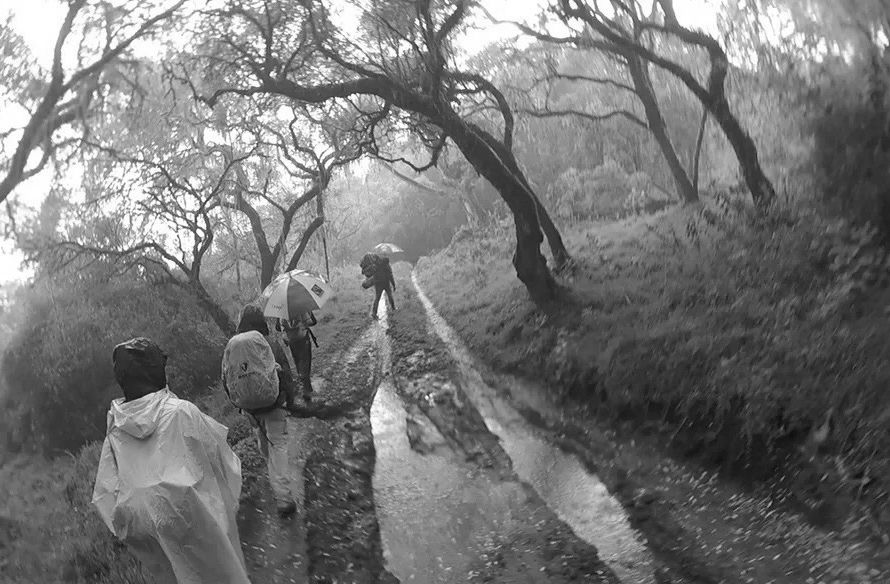
Mount Kenya’s wet seasons, especially the long rains from March to May, present a unique set of challenges that can test even the most seasoned climbers. During this period, the mountain is drenched in heavy rainfall, leading to a transformation of the landscape. The lush greenery that flourishes under the rain is breathtaking, but it also means that the trails can quickly become muddy and treacherous. I’ve often found myself battling slippery paths, which can turn a simple hike into a strenuous workout.
Visibility is another significant factor during the long rains. The clouds descend upon the mountain, creating a thick veil of mist that obscures the views and makes it difficult to navigate. I’ve experienced days when the scenery was completely hidden, and it felt like climbing in a tunnel. This reduced visibility heightens the risk of getting lost, especially on the more technical routes. It’s crucial to have a solid understanding of the terrain or to climb with an experienced guide who knows the mountain well.
The risks during this season extend beyond just navigation challenges. The trails can become prone to mudslides, especially on steep inclines where water runs down the mountain. I’ve witnessed firsthand how quickly conditions can change, with rivers swelling from the rains, making them dangerous to cross. Cold and damp weather can seep into your bones, increasing the risk of hypothermia if you’re not properly prepared.
Climbing during the long rains requires careful planning and mental fortitude. I always advise climbers to pack extra waterproof gear, including jackets and pants, as well as warm layers to counteract the chill. It’s essential to stay hydrated and keep your energy up, as the relentless rain can make the ascent feel much more taxing. Embracing the mountain’s wild side during this season can be rewarding, but it demands respect and preparation.
- Dry Seasons
The dry seasons on Mount Kenya are a climber’s dream, with the main dry season from January to February being particularly favorable. During these months, the weather is typically stable, providing clearer skies and warmer temperatures. As a guide, I’ve found that this period allows for a more enjoyable climbing experience, as the trails are dry and easier to navigate.
Climbing in January and February has distinct advantages. The reduced likelihood of rain means that you can enjoy uninterrupted views of the stunning landscapes. I often reminisce about reaching the summit and soaking in the panoramic vistas without the worry of sudden downpours. Additionally, the trails are less muddy, which allows for a smoother ascent and a more comfortable trek overall.
The secondary dry season from June to September also offers great climbing conditions, though there are some differences to consider. While the weather remains mostly dry, the temperatures can be cooler, especially at higher altitudes. This period tends to attract fewer climbers, which means you can enjoy the mountain with a sense of solitude. I appreciate the quieter trails during these months, as it allows for a more immersive experience in nature.
When comparing the two dry seasons, the main dry season is usually warmer, making it ideal for those who prefer milder temperatures. However, the secondary dry season can offer optimal conditions for experienced climbers who are comfortable with cooler weather. Both seasons provide unique advantages, but I’ve often found that the January to February window feels just a bit more vibrant and alive, filled with the energy of those eager to conquer the mountain.
Impact of Seasons on Climbing Experience
The seasons on Mount Kenya have a profound impact on the climbing experience, shaping everything from trail difficulty to safety. During the wet seasons, the trails can become significantly more challenging. Mud and water can obscure paths, making each step a careful negotiation. I’ve encountered slippery rocks and sections that require heightened focus to navigate safely. Conversely, during the dry seasons, the trails are much more manageable, allowing climbers to focus on enjoying the ascent rather than battling the elements.
Each season also paints the mountain in different hues, affecting the scenic beauty of the climb. In the wet seasons, the lush greenery is vibrant, with flowers blooming and waterfalls cascading down the rocks. There’s something magical about the mist that envelops the mountain, giving it an ethereal quality. However, during the dry seasons, the clear skies reveal stunning panoramic views that stretch for miles. I often find that both experiences offer their own unique beauty; it just depends on what you’re seeking in your adventure.
Wildlife encounters can vary dramatically depending on the season as well. In the rainy months, the lush vegetation attracts a variety of animals, and I’ve spotted everything from colorful birds to elusive monkeys. The vibrant ecosystem comes alive, and it’s a delight to witness. In contrast, during the dry months, the animals tend to congregate around water sources, making it easier to spot them. I cherish these moments of connection with nature, regardless of the season, as they remind me of the mountain’s rich biodiversity. Each climb brings its own surprises, and that’s part of what keeps me coming back to Mount Kenya time and again.